| |
|
|
|
Explore Rajasthan |
|
|
 |
|
|
|
| |
|
| |
|
|
|
Rajasthan Tourist Destinations |
|
|
 |
|
|
|
| |
|
| |
|
|
|
Rajasthan Tour Packages |
|
|
 |
|
|
|
| |
|
| |
|
|
|
Rajasthan Hotels |
|
|
 |
|
|
|
| |
|
| |
|
|
|
Rajasthan Wild Life |
|
|
 |
|
|
|
|
|
Rajasthan provides memorable holidays experience in India.
You have golden opportunity to explore the rich Indian cultural heritage on Rajasthan tours and travels.
There are several monuments, places, forts, havelis, etc showing the glorious past and history.
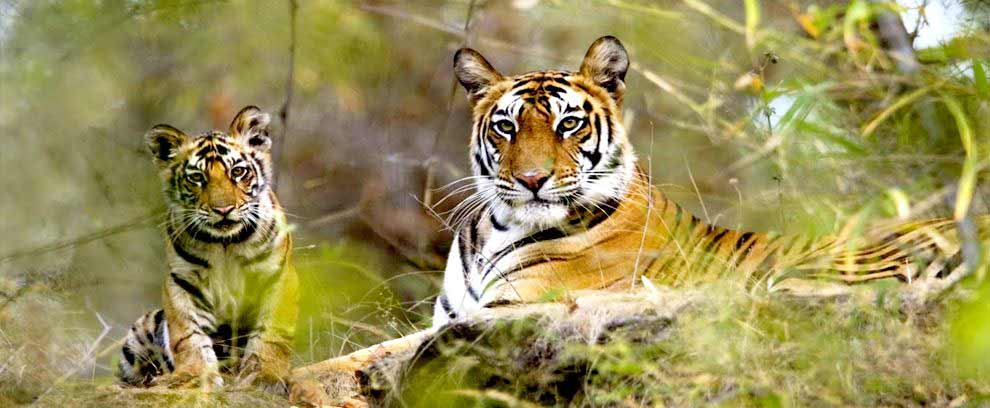
Wildlife sanctuaries and national parks are also the prime attractions of Rajasthan tourism.
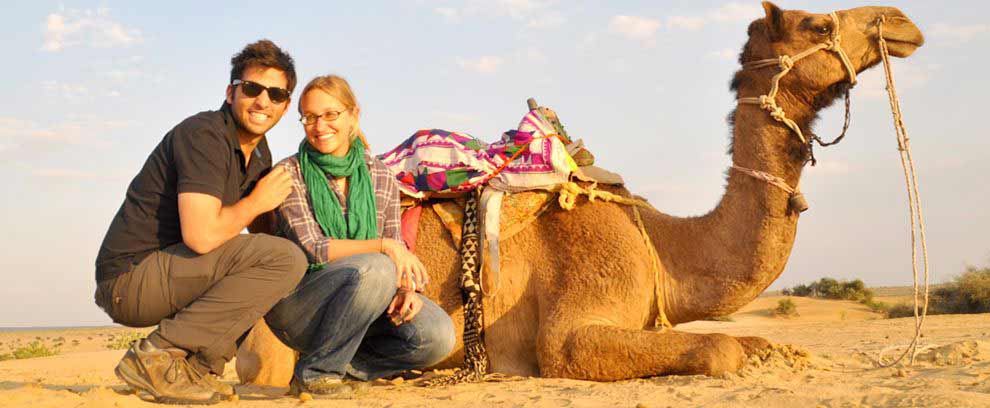
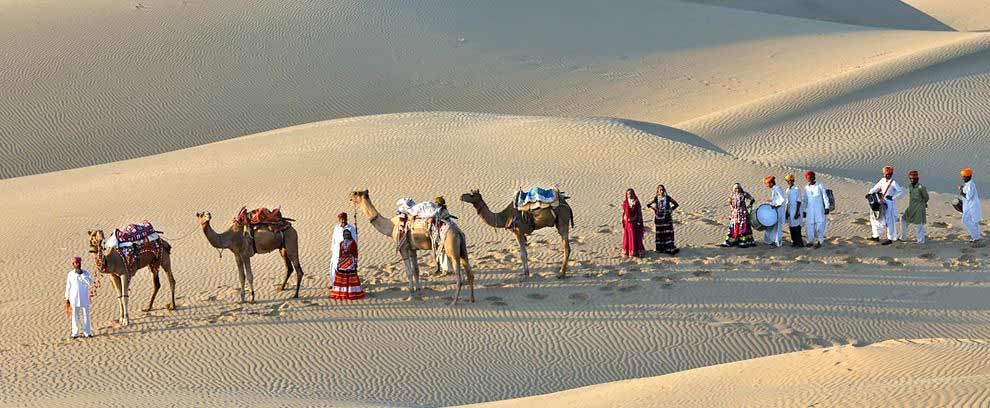
Travels in Rajasthan also give opportunity to explore its rippling sand dunes on vast Thar Desert
by exciting Camel Safari. Rajasthan tourism also promotes Golden Triangle Tours – covering three
historical cities of North India i.e. Delhi, Agra and Jaipur.
Enjoy your
Rajasthan tour in a land of rippling sand dunes, grand
Rajasthan palaces and majestic forts. Stay at exotic palace
hotels on your Rajasthan tour and experience the luxury of being
treated like a Maharaja. Travel through historic cities of
Rajasthan and hear tales of heroic Rajputs on your Rajasthan
tour. Listen to the songs of days gone by and be amazed by the
beauty of the arts and crafts of Rajasthan. Ride a camel across
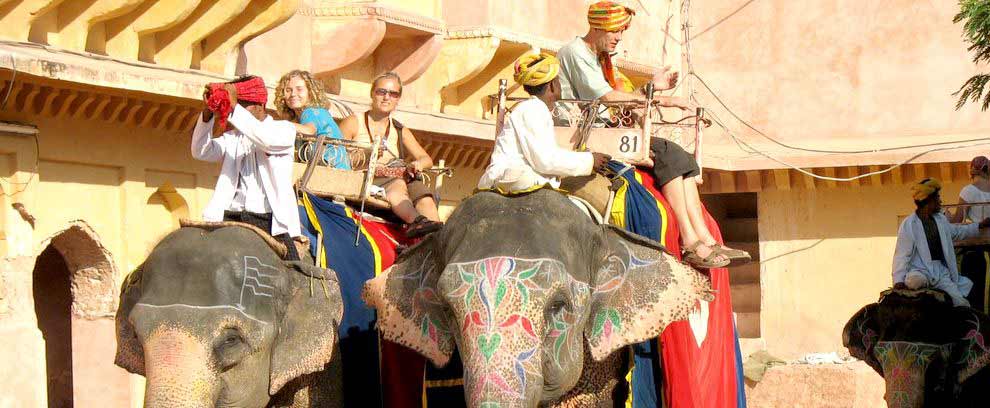
the Thar Desert, or an elephant up to Amber fort, see a
magnificent tiger in the forests of Ranthambore. Experience a
vacation in royal style, on your Rajasthan holiday tour.
The magical land of Rajasthan is blessed with several
fascinating places that have never failed to allure the
travellers, since time immortal. The appealing touring
destination, Rajasthan is a home of rich tourists’ attraction
that offers cultural, rural, wildlife and heritage Rajasthan
tourism. Come here to witness the rich historical treasure,
picturesque architecture and the dazzling landscapes, which is
an unparallel touring destination in the entire globe. Also, the
exotic land of the shimmering sands offers nice opportunity to
witness the Thar Desert in Rajasthan. While exploring in
Rajasthan, Uttarakhand Holidays will assist you to view
the stunning places of the state.
|
| Early Rajasthan History |
|
Rajasthan is the
north-western region of India, and has remain independent from the
great empires. Buddhism failed to make substantial inroad here;
the Mauryan empire (321-184 BC), whose most renowned emperor,
Ashoka, Converted to Buddhism in 261 BC, had minimal impact in
Rajasthan, However, there are Buddhist caves and stupas (Buddhist
Shrines) at Jhalawar, in Southern Rajasthan.
Ancient Hindu scriptural epics make reference to sites in
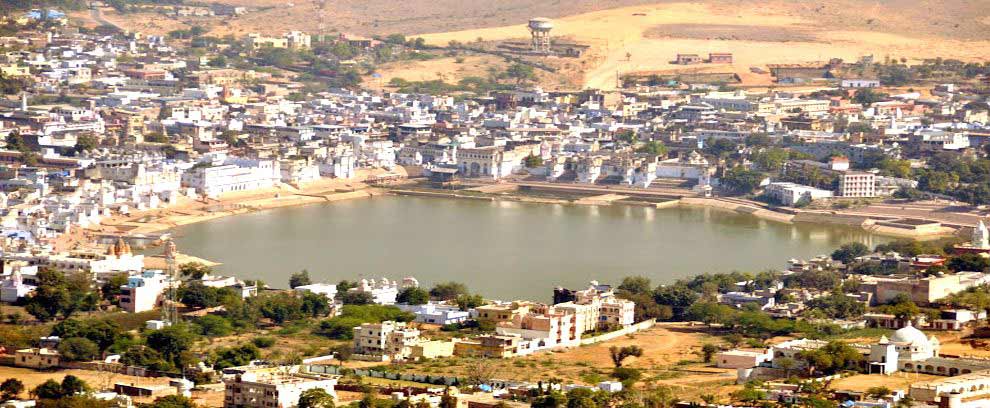
present-day Rajasthan. The Holy Pilgrimage site of Pushkar is
mentioned in both the Mahabharata and Ramayana. |
 |
|
|
Emergence of the Rajputs |
|
The fall of the
Gupta Empire, which held dominance in northern India for nearly
300 years until the early 5th Century, was followed by a period of
instability as various local chieftains sought to gain supremacy.
Power rose and fell in northern India. Stability was only restored
with the emergence of the Gurjara Partiharas, the earliest of the
Rajput (from 'Rajputra', or Sons of Princes) dynasties which were
later to hold the balance of power throughout Rajasthan.
|
 |
Whatever their actual origins, the Rajputs have evolved a complex
mythological genealogy. This ancestry can be divided into two main
branches: the Suryavansa, or Race of the Sun (Solar Race), which
claims direct descent from Rama; and the Induvansa, or Race of the
Moon (Lunar race), which claims descent from Krishna, Later a
third branch was added, the Agnikula, or 'Fire Born'. These people
claim they were manifested from the flames of a sacrificial fire
on Mt.Abu From these three Principal races emerged the 36 Rajput
clans. |
The Rajput clans gave rise to dynasties such as the Chauhans,
Sisodias, Kachhwahas and Rathores. Chauhans of the Agnikula Race
emerged in the 12th century and were renowned for their valour.
Their territories included the Sapadalksha kingdom, which
encompassed a vast area including present- day Jaipur, Ranthambore,
part of Mewar, the western portion of Bundi district, Ajmer
Kishangarh and even, at one time, Delhi. Branches of the Chauhans
also ruled territories know as Ananta (in present-day Shekhawati)
and Saptasatabhumi.
The Sisodias of the Suryavansa Race, Originally from Gujarat,
migrated to Rajasthan in the mid-7th Century and reigned over
Mewar, which encompassed Udaipur and Chittorgarh.
The Kachhwahas, originally from Gwalior in Madhya Pradesh,
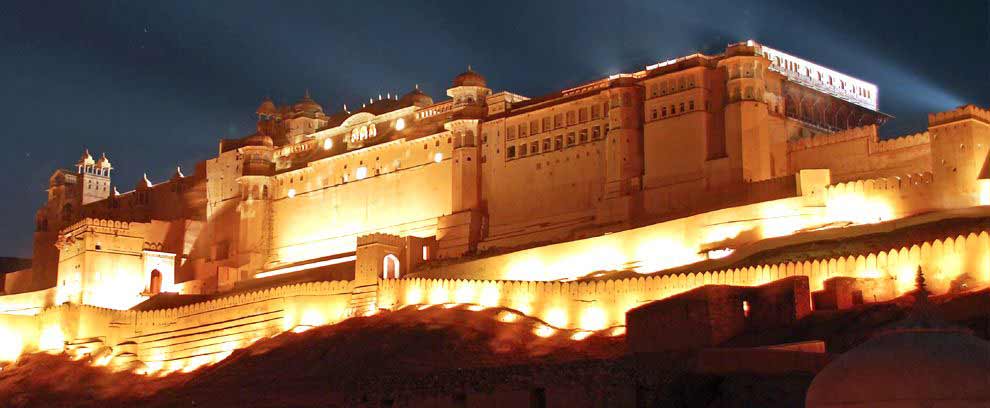
travelled west in the 12th century. They built the massive fort at
Amber, and later shifted the capital to Jaipur. Like the Sisodias,
they belonged to the Suryavansa Race.
Also belonging to the Suryavansa Race, the Rathore (earlier known
as Rastrakutas) traveled from Kanauj, in Uttar Pradesh. Initially
they settled in Pali, south of present-day Jodhpur, but later
moved to Mandore in 1381 and ruled over Marwar (Jodhpur). Later
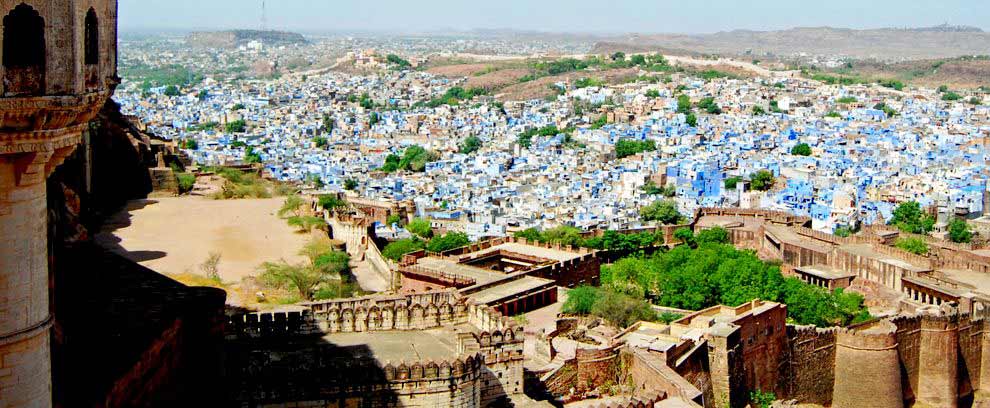
they started building the stunning Meherangarh (fort) at Jodhpur.
The Bhattis, who belong to the Induvansa Race, driven from their
homeland in the Punjab by the Turks, installed themselves at
Jaisalmer in 1156. They remained more of less entrenched in their
desert Kingdom untill they were integrated into the state of
Rajasthan following Independence. |
Geographical
Information of Rajasthan
| |
| Area |
342, 239 Sq. Km |
| Capital |
Jaipur |
| Population
|
56, 473, 122(200) |
| Language |
Rajasthani, Hindi |
| Literacy rate |
61.03 % |
| Urbanization ratio |
22.88% |
| Best time to visit |
October to March |
|
Rajasthan Sculpture |
|
 |
|
|
Abundance of marble and sandstones
quarries of the state had augured the finest qualities of sculpture and
sandstone work in the State so also the tradition of stone mangons.
The sculptors with the chromatic stone from the quarries of Dangarpur
following the guidelines of shilpa-shastra, the ancient Hindu treaties on
sculpture and architecture carve the divine matters and deities of
exquisite quality giving dignity and expression. |
|
Rajasthan Pottery
 |
The Kumbhars, the
potters are mythological descendents of Rudrapal who was created by
Lord Shiva. Pottery has the longest linage probably from Harappan era
of 2500 BC. Pottery is not localized to a single place in Rajastan. The
art varies from region to region. The blue glazed pottery of Jaipur
traditionally linked with China, Persia came to Rajasthan through the
Maghals. In the Pottery art, the pieces are decorated with legends,
floral motifs, animals and other designs with cobalt and copper oxide
and with a glazing coat are baked in the Kiln for a day or two. |
| Services of
potters are common to Village life and every village has its one
potters who meet the needs of the people. The village of Molela in
north Udaipur is famous for terracotta work. In teracota art the
pieces from the village of Molela of north Udaipur are par excellence. |
|
|
|
|
|
|
|
|
Home |
About Us |
Services |
Useful Tips
|
Enquiry |
Contact Us |
Resources
|
|